

Acclimatization is the single most important health factor on Himalayan trips. Your body needs time to adapt to low oxygen levels.
Golden rule: climb high, sleep low where possible, and keep the first 24 hours very light.
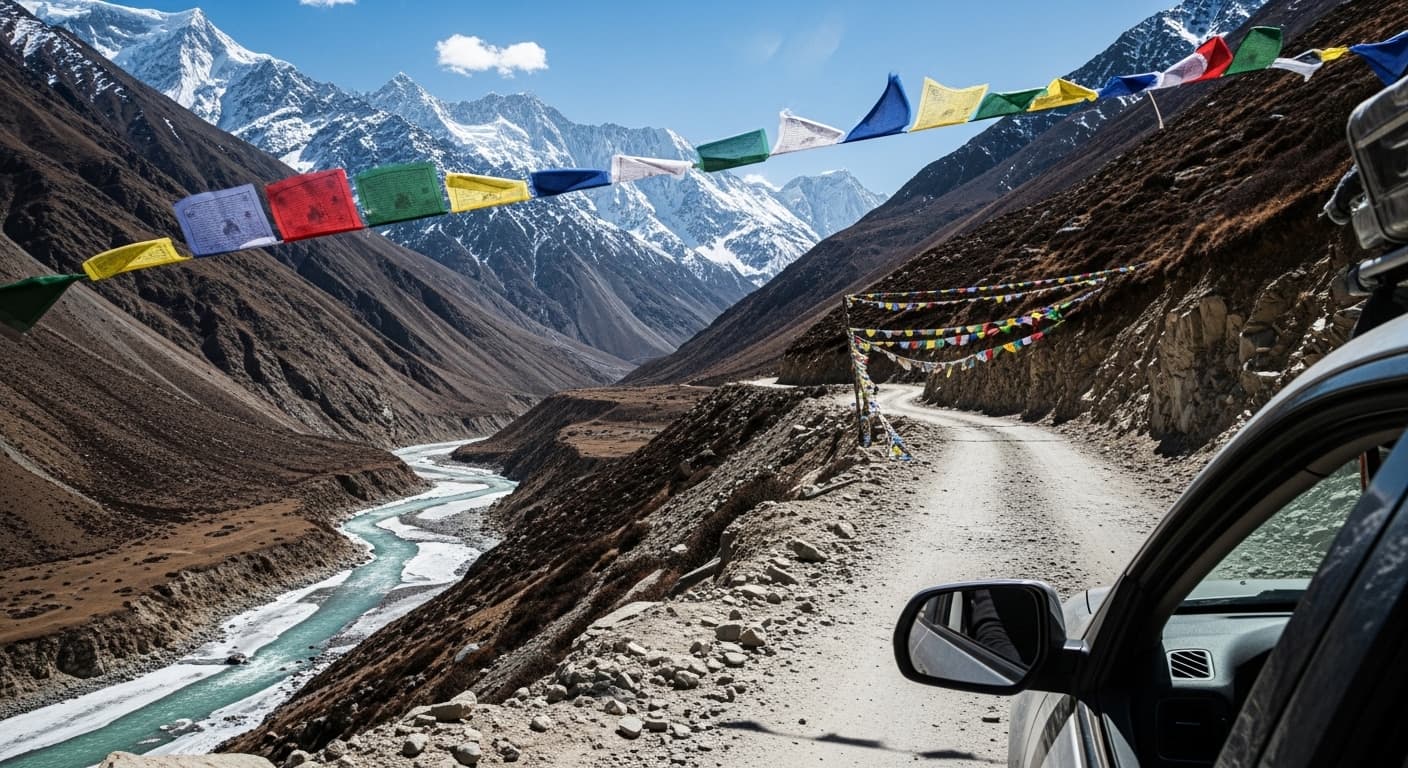
Field Note • Spiti Valley
Hydration helps significantly. Sip water throughout the day and avoid smoking or alcohol in initial high-altitude days.
Eat light but frequent meals. Heavy meals can worsen fatigue and discomfort.
Know the warning signs: headache, nausea, dizziness, unusual tiredness, and disturbed sleep. Do not ignore symptoms.
If symptoms worsen, descend and seek medical help. No viewpoint is worth risking health.
With a smart pace, rest, and awareness, most travelers acclimatize well and enjoy every kilometer safely.
Health Tips